

Tibet residents welcome New Year with yak stew, mask dance performances
The atmosphere is festive in Lhasa, Tibet autonomous region, as residents gear up to celebrate Losar and usher in the Year of the Rabbit with religious rituals, lavish feasts and family reunions.
Losar, or Tibetan New Year, is set according to the lunisolar Tibetan calendar. Due to differences in elevations and harvesting times, the festival is celebrated at different times across the region.
In Lhasa, celebrations for Losar, which falls on Tuesday this year, began on Sunday, which was the 29th day of the 12th month on the Tibetan calendar.
Residents thronged one of the busiest wholesale markets, Barkhor, to buy dried yak meat, dried cheese, butter, dried fruits, pastries and candies, as well as prayer flags.
Guthuk, a nine-ingredient stew, is a culinary tradition during Losar to prepare for a fruitful new year. It is prepared with yak meat, cheese, vegetables and dough balls with meat fillings.
Some dough balls may contain symbolic ingredients such as salt, pepper and beans, and even thread, wool, paper and coal dust.
"Every ingredient has a meaning. If you bite into a dough ball made with pepper, it means you have a sharp tongue, but a soft heart," said Dekyi Drolma, a Lhasa resident.
According to Tibetan beliefs, if one picks a dough ball that's too salty, it means one is lazy; beans indicate one is not good at making decisions; wool is symbolic of a good heart; and paper means one is gullible.
"My family enjoys a warm pot of guthuk on Losar, and the dough ball ritual makes the meal far more interesting," Dekyi Drolma said.
While most people in the region mark Losar on the first day of the first month on the Tibetan calendar, residents of Shigatse and Nagchu celebrate at the start of the 12th month. People in eastern Nyingchi celebrate Losar in the 10th month and a few places in Ngari prefecture mark Losar in the 11th month.
People who work in government sectors in cities get a seven-day holiday for Losar, from Feb 20 to 26, but the celebrations may last for 15 days in rural areas.
Besides rituals, feasts and family gatherings, a new year gala is organized at most places. On Sunday, a Cham (a dance ritual by monks) performance was held at Tsurphu Monastery. Monks in colorful costumes and masks matched steps "to evoke the good and ward off evil forces".
In some parts of Tibet, Losar activities include horse racing, rolling dice, hosting Tibetan opera performances and hanging prayer flags.
Tashi Choten, a village in Nedong county of Lhokha city, is known as the "Village of Tibetan Opera". It is known for Yarlung Tashi Sholpa, or the yellow-mask opera, which is a national intangible cultural heritage.
"We will perform (at Tashi Choten) on Tuesday, and villagers will sing and dance with us to usher in the new year," said Nyima Tsering, whose opera troupe will tour three different villages.
Apart from the Tibet autonomous region, Losar is also celebrated in other provincial-level regions in China. Art shows, traditional dances and ethnic concerts will be held on Tuesday and Wednesday in Dechen Tibetan autonomous prefecture, Yunnan province.





 最新热点
最新热点
-
探秘特色中药产业 海外华媒走进好医生集团感受中医药创新力量
-
焦点访谈丨前三季度GDP同比增长4.6%读懂中国经济三大特点

-
李强赴杜尚别对塔吉克斯坦进行正式访问并出席上海合作组织成员国政府首脑(总理)理事会第二十五次会议
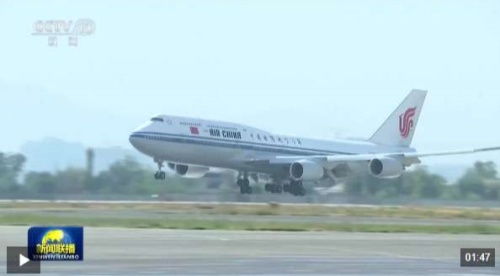
李强赴杜尚别对塔吉克斯坦进行正式访问并出席上海合作组织成员国政府首脑(总理)理事会第二十五次会议
最新热点央视新闻客户端消息(新闻联播):当地时间18日中午,国务院总理李强乘包机抵达杜尚别国际机场,应塔吉克斯坦总理拉苏尔佐达邀请,对塔吉克斯坦进行正式访问并将...
-
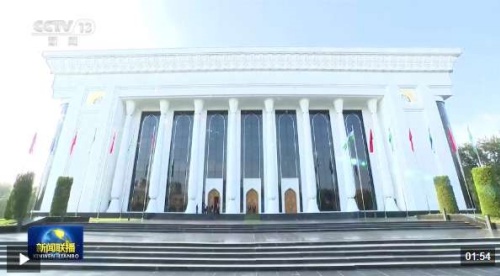
李强同乌兹别克斯坦总理会谈
-
海外华文媒体及网红将走进景德镇 把千年瓷都故事讲给世界听

 VIP展示
VIP展示

 华侨之声
华侨之声
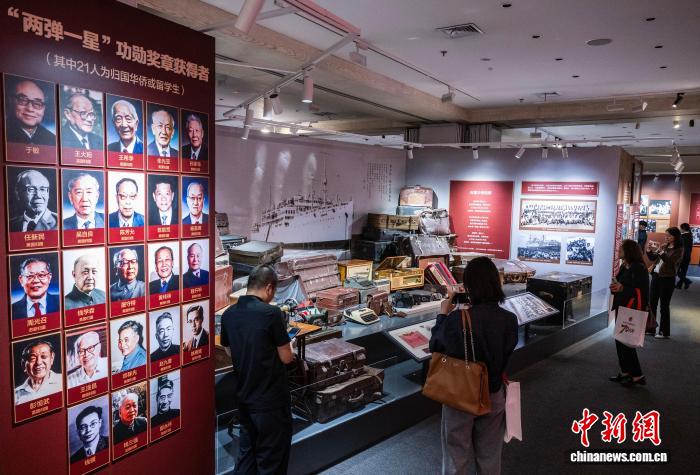 中国侨联成立70周年主题展在北京开幕
 国庆假期前三天珠海多个口岸出入境客流持续高位运行
 海南商业航天发射场二期项目正式启动合练