

How a Guangdong cartoonist's subtle take on life captivates Londoners
In June, London's lively Covent Garden welcomed a small but special pop-up shop: "xiaolin cartoon." For just eight days, Londoners discovered the delicate, thoughtful work of Xiaolin, a cartoonist from Guangdong, China. By the time the show ended, all the paintings and products had nearly sold out.
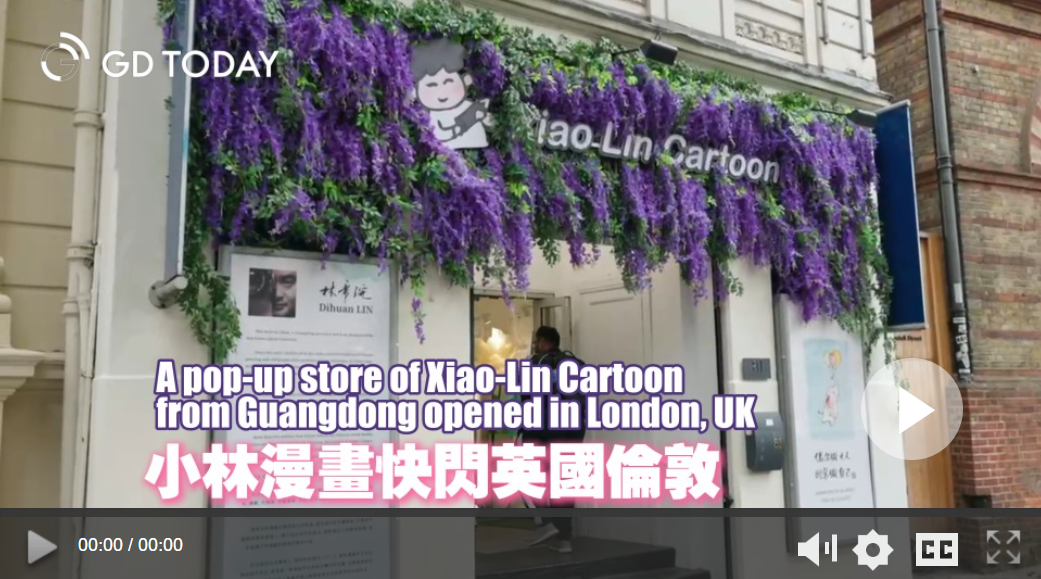
Xiaolin (Little Lin), whose real name is Lin Dihuan, is well-known in China for his gentle ink-and-watercolor illustrations paired with short, often witty reflections on everyday life. His comics frequently go viral on China's social media, sometimes reaching over 100,000 views within hours. His work has been shown internationally, including in the United States, Japan, and even at the United Nations.
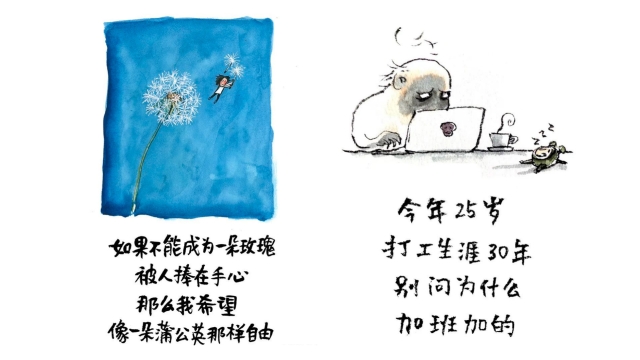
Left: "If I cannot be cherished by someone like the roses are, I'd be as free as the dandelion."
Right: "I am 25 but I have worked for 30 years because I overwork too much."
Finding art in life's small moments that can move everyone
Xiaolin's art comes from paying close attention to life's small moments. "You have to be curious and passionate about life to create something meaningful," he says.
Born in 1975 in Zhanjiang, a coastal city in Guangdong, Xiaolin loved drawing as a child but did not have many opportunities for formal training. To support his family and fulfill his father's wishes, he studied medicine at university but never worked as a doctor after graduation. Instead, he held jobs in administration, IT, and teaching, all while continuing to develop his art.
Beyond drawing, Xiaolin is also an avid photographer who travels widely across China to capture its landscapes and people. He also practices calligraphy and enjoys exploring cuisine. These varied experiences have given him a rich, multifaceted perspective on life.
"Feelings about life, stress, and emotion are universal," Xiaolin says. "They don't change because of race, language, or background."
At the pop-up, many visitors found themselves quietly moved, recognizing their own moods and struggles in his lines and captions. One woman purchased a print that read, "Don't be afraid of getting lost. Too familiar a path is a cage." She told Xiaolin she was about to start a new job, and those words gave her courage.

Xiaolin's work that reads "Don't be afraid of getting lost. Too familiar a path is a cage."
Language might be obstructive, but it's also fluid and creative
For the London exhibition, Xiaolin introduced a playful twist: captions written in what he calls "New Chinglish." These phrases break from traditional grammar rules, dropping prepositions and articles in favor of loosely strung-together adjectives, nouns, and verbs, much like the style of classical Chinese poetry, where meaning is often conveyed through imagery and emotion rather than rigid syntax.
One painting features a cheerful figure holding a budding flower, alongside the phrase: "wait flower boom." Xiaolin deliberately chose "boom" over "bloom," capturing the explosive surprise of a flower's opening moment in a way that conventional English might miss.
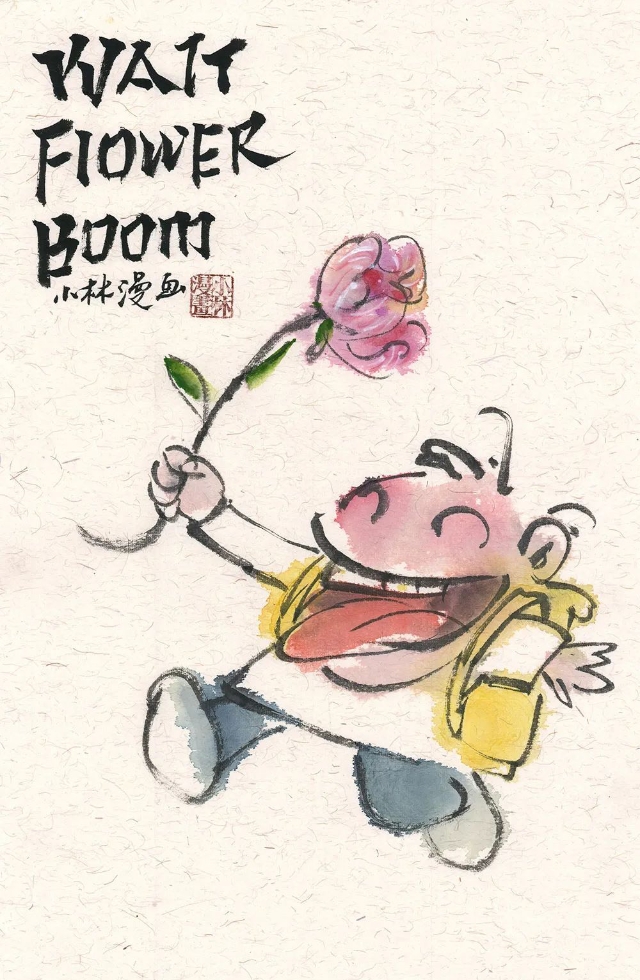
Xiaolin recalls with a laugh how he struggled with English back in school when he once scored only 18 out of 100 on an English test. Yet what his English "mistakes" reveal is his creative use of language. "Language is fluid, just like creation," he says. "If it puzzles people, it opens an opportunity to tell the story behind it."
Culture and commerce can work together to share Chinese art abroad
The success of Xiaolin's work has led to increased demand for his merchandise. All 72 framed prints brought to London sold out, as did the greeting cards inspired by his cartoons.
"Cards are a big part of British culture," Xiaolin explains. "Many visitors told me I should bring more varieties next time." Aware of London's frequent rain, he also offered colorful waterproof backpacks, which proved popular.
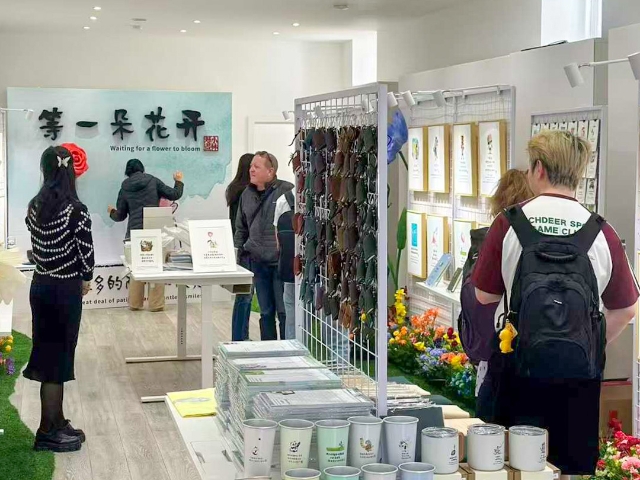
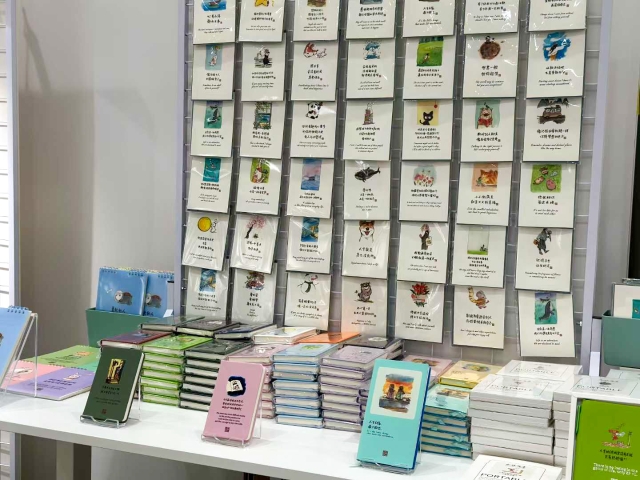
"There is often a misconception that culture and commerce are at odds," said Xiaolin, who sees things differently. "Cultural products are still products," he says. "In recent years, many people in China have been developing all kinds of merchandise to bridge the gap between culture and business."
He envisions a future where China's rich cultural heritage combines with the country's manufacturing prowess: culture providing stories and meaning, industry providing diverse and accessible forms to express them.
Still, Xiaolin acknowledges there is a challenge. The current overseas Chinese cultural promotion tends to focus on short-term events like exhibitions and forums. "We need longer-term, sustained engagement," he suggests.
He hopes that as more Chinese artists and creators venture abroad, they will do so with patience and professionalism, along with confidence in their culture and traditions.
Reporter | Chen Siyuan
Photo & Video | Provided by Xiaolin
Video Editor & Poster | Pan Jiajun
Editor | Hu Nan, James, Shen He
 最新热点
最新热点
-
时政专题片丨奋力开创中国式现代化建设新局面——习近平总书记今年以来治国理政纪实
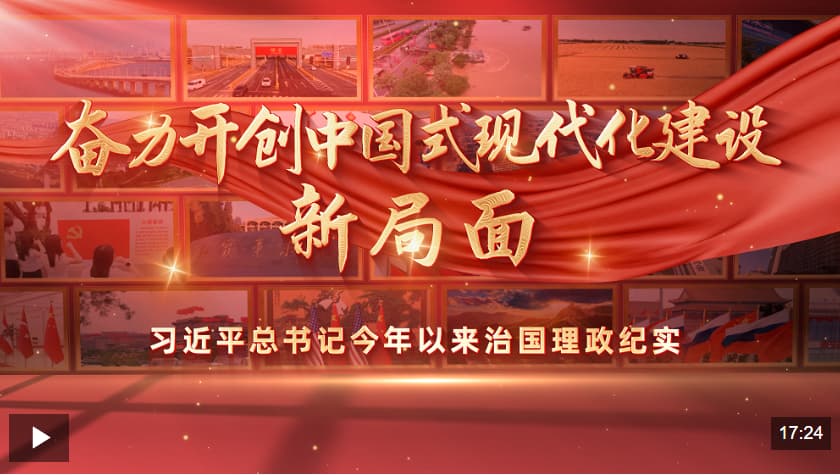
时政专题片丨奋力开创中国式现代化建设新局面——习近平总书记今年以来治国理政纪实
最新热点2026年是中国共产党成立105周年 也是“十五五”开局之年 历史来到新的关键一程 今年以来 以习近平同...
-
160余名台胞踏歌云南楚雄 欢度火把节

-
思想耀岭南 | 第7集嘉宾大揭秘:他在湾区批量孵化独角兽企业
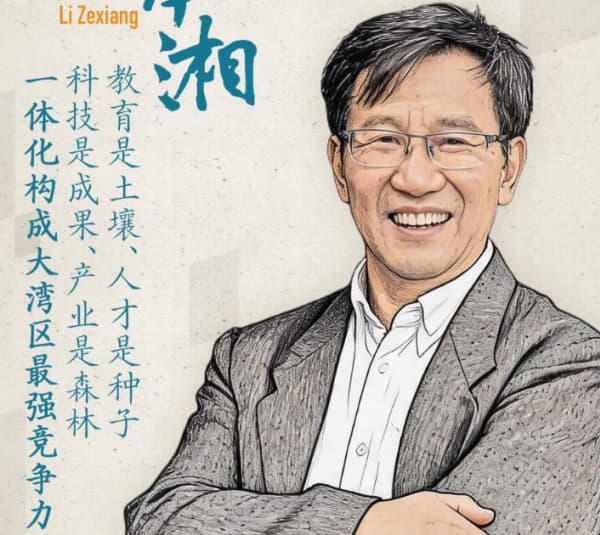
思想耀岭南 | 第7集嘉宾大揭秘:他在湾区批量孵化独角兽企业
最新热点6月27日起,广东在全网推出《思想耀岭南》系列视频。 第一季共20集,20名对话嘉宾将分享他们在工作生活中的所思所感,以个体视角讲述广东故事、大湾区故事、...
-
“亮到九点”获高赞,广东文旅“留量”有了新密码 | 文旅友好看广东②
-
“回批”了!当《给阿嬷的情书》“寄”回到故事发生地泰国……
“回批”了!当《给阿嬷的情书》“寄”回到故事发生地泰国……
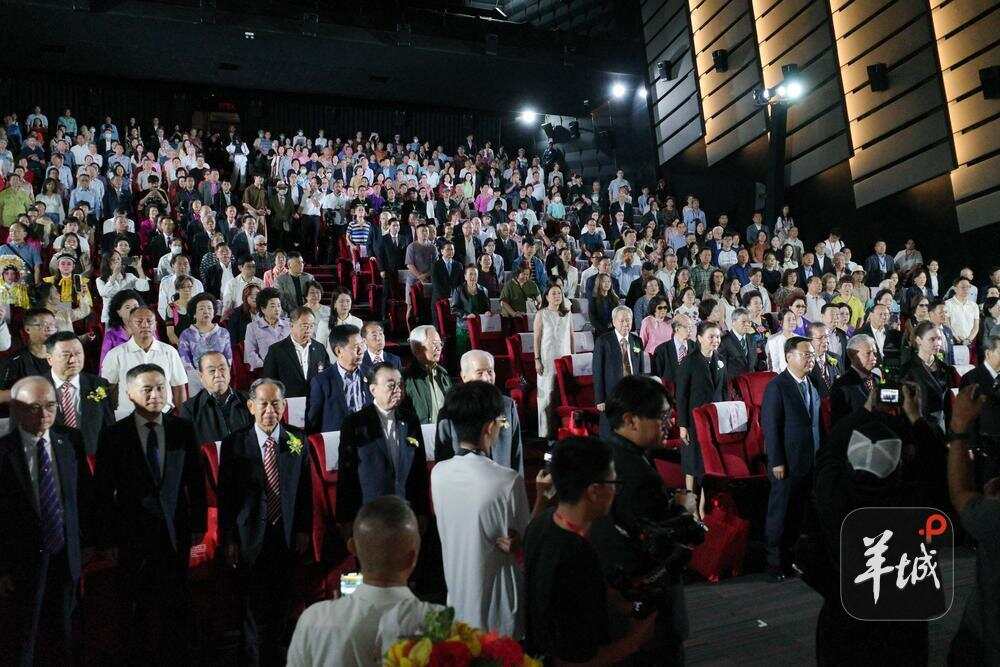
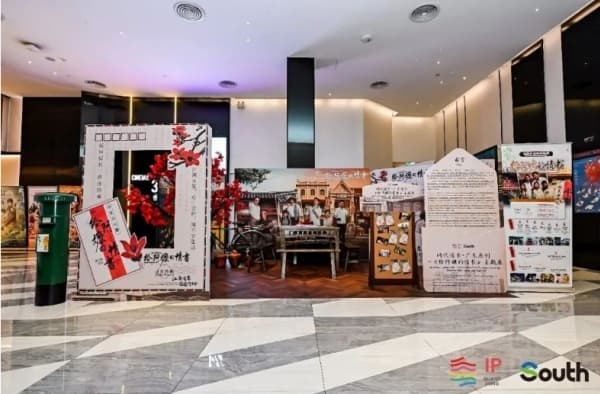
最新热点8月4日下午,泰国潮州会馆在曼谷中央世界商场(Sf Central World)举行粤产电影《给阿嬷的情书》专场放映,电影道具展、侨批展与海外华侨华人&ldqu...
 VIP展示
VIP展示
 华侨之声
华侨之声
 電影《給阿嬤的情書》將於全泰公映,導演藍鴻春推薦潮汕美景美食