
Beyond Canton Fair: new exhibition traces Guangdong's thousand-year foreign trade history
The 138th Canton Fair opened in Guangzhou on October 15, coinciding with the launch of a new exhibition at the Guangdong Museum that traces the province's millennium-long history of foreign trade.
Titled "Shared Prosperity: A Millennium of Guangdong's Foreign Trade," the exhibition features over 200 precious artifacts, showcasing Guangdong's unique role and influence in China's foreign trade system. South has selected a few standout pieces to provide a glimpse into the cross-cultural exchanges preserved in these treasures.
Arab face found in Guangzhou
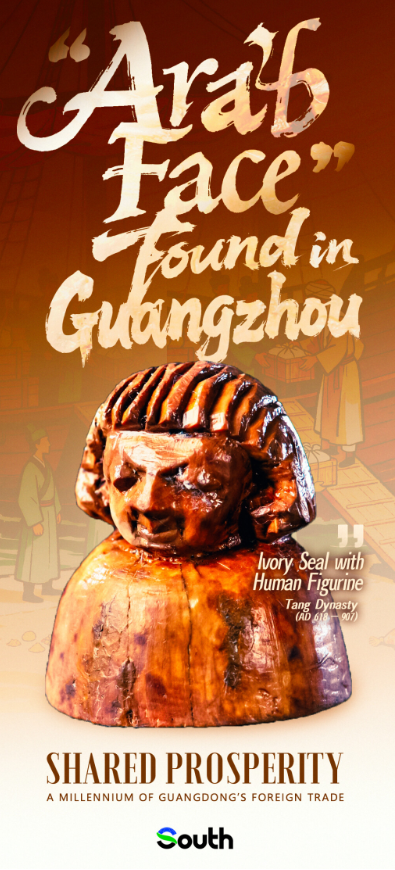
Ivory Seal in Human Figurine,
Tang Dynasty (AD 618–907)
唐牙雕人像
This seal was unearthed from the remnants of the Royal Palace & Garden of the Nanyue Kingdom in Guangzhou. The upper section features a bust carving of a figurine with a prominent nose, deep-set eyes, and curly hair—distinctive facial characteristics associated with Arab people. Its oval base differs from traditional Chinese seals, aligning with West Asian styles. Thus, experts infer that it was most likely a personal seal belonging to an Arab merchant. This artifact offers compelling physical evidence of Guangzhou's thriving maritime trade and vibrant foreign community during the Tang dynasty.
Imported "blue"
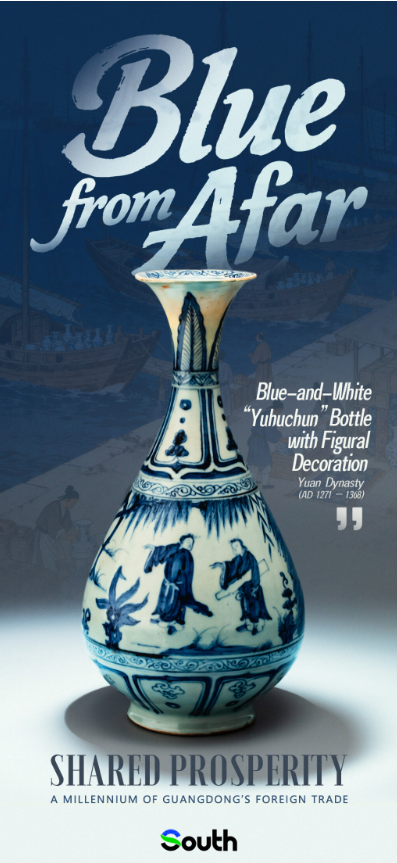
Blue-and-White "Yuhuchun" Bottle with Figural Decoration,
Yuan Dynasty (AD 1271–1368)
元青花人物图玉壶春瓶
The Yuhuchun bottle was originally used for wine. Its body is painted with a narrative scene, reflecting a typical Yuan dynasty style. The vivid blue coloration was achieved using cobalt, much of which was imported from overseas. Yuhuchun bottles of this form have often been recovered from overseas shipwrecks dating to the Yuan and Ming dynasties, serving as a notable example of cultural exchange between China and the wider world.
European-style wine warmer from the Qing palace
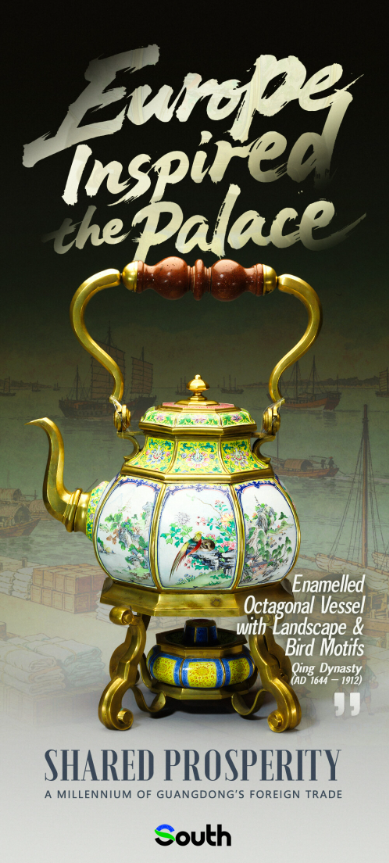
Enamelled Octagonal Vessel with Landscape and Bird Motifs,
Qing Dynasty (AD 1644–1912)
清乾隆款画珐琅八棱开光山水花鸟图提梁壶
This object is a luxury wine warmer, crafted in the 18th century during the Qianlong reign of the Qing Dynasty by the Manufacturing Office, the emperor's personal manufacturing bureau. Its base contains an oil cup designed to hold fuel for a direct flame, which would heat the wine within. The vessel's style and structure show a remarkable resemblance to similar objects made in Europe and export wares produced in Guangdong, indicating a clear influence of European aesthetics on the design of high-end Chinese artifacts during this period.
Bowl painted with views of China's historic trade center
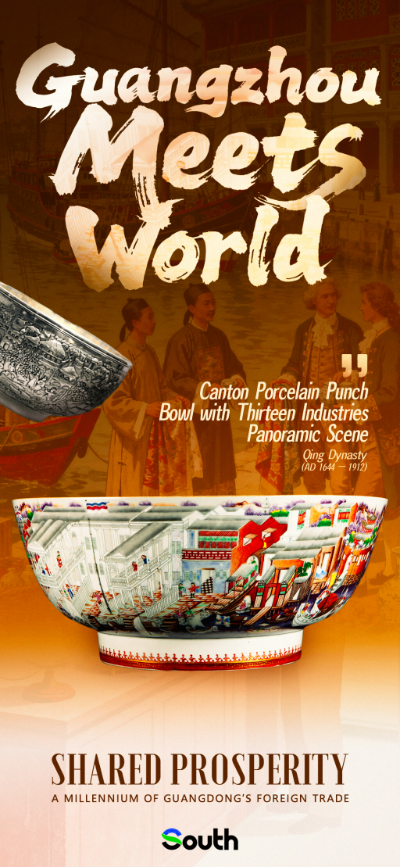
Canton Porcelain Punch Bowl with Thirteen Industries Panoramic Scene,
Qing Dynasty (AD 1644–1912)
清乾隆广彩十三行通景图大碗
This large bowl, known as a "punch bowl," was used by Europeans for serving wine or punch at banquets. Its exterior is painted in a panoramic scene featuring the Thirteen Industries in Guangzhou, which displays the flags of Denmark, pre-revolutionary France, Austria, Sweden, Great Britain, and the Netherlands, as well as depictions of the Haiguan (Customs House), fortifications, and numerous small boats, boatmen, and Chinese and foreign merchants in conversation.
The Thirteen Industries served as the hub of China's foreign trade system in the late 18th and early 19th centuries. This bowl vividly reflects the prosperity and cross-cultural interactions of that time.
Rococo on a Canton porcelain vase
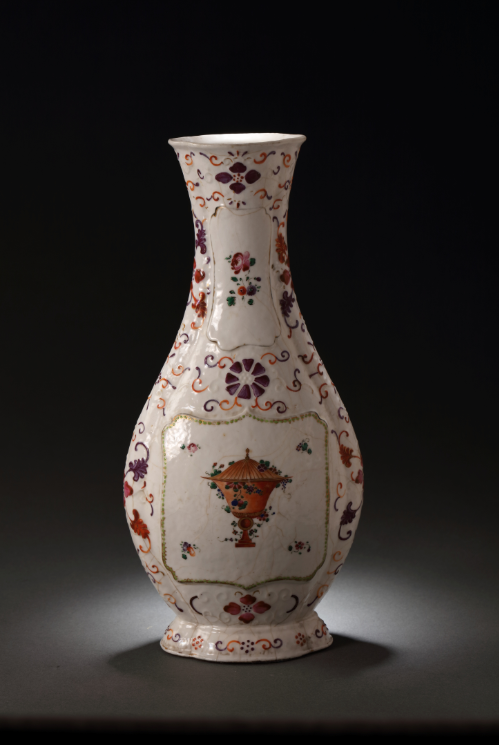
Canton Porcelain Flattened Lobed Vase with Floral and Trophy Motifs,
Qing Dynasty (AD 1644–1912)
清乾隆广彩浆胎花卉奖杯纹瓜棱扁瓶
This vase is a classic example of 'Guangcai' (Canton porcelain) produced in the 18th century specifically for the European market. Its body features multiple molded, raised, and scrolling floral designs, showcasing distinct Rococo influences.
Canton porcelain was mainly produced for export, combining Chinese Wucai ("five-colors") and Fencai ("famille rose") techniques with Western painting methods. This fusion created a distinctive Sino-Western aesthetic: while decorations often echoed Baroque and Rococo styles, traditional Chinese themes and Lingnan landscapes remained prominent.
Reporter | Chen Siyuan, Wu Fengxia (Intern)
Poster | Lai Meiya
Editor | Hu Nan, James Campion, Shen He
 最新热点
最新热点
 VIP展示
VIP展示
 华侨之声
华侨之声
 谷神星一号海射型遥八运载火箭发射成功
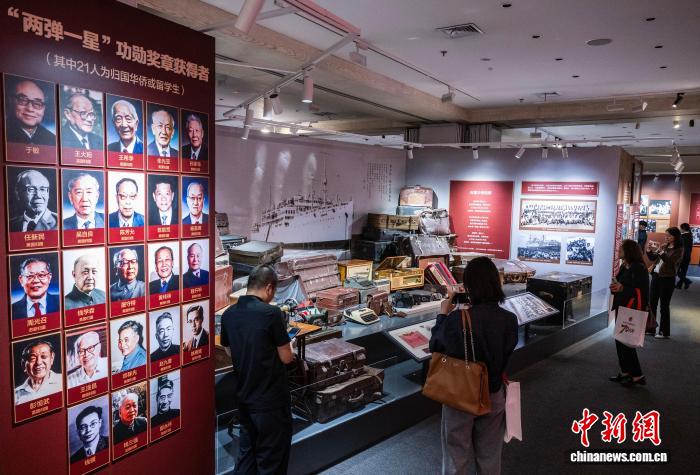 中国侨联成立70周年主题展在北京开幕
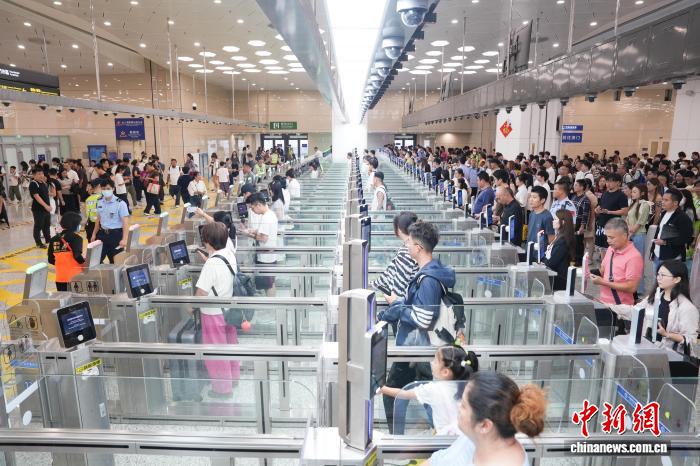 国庆假期前三天珠海多个口岸出入境客流持续高位运行
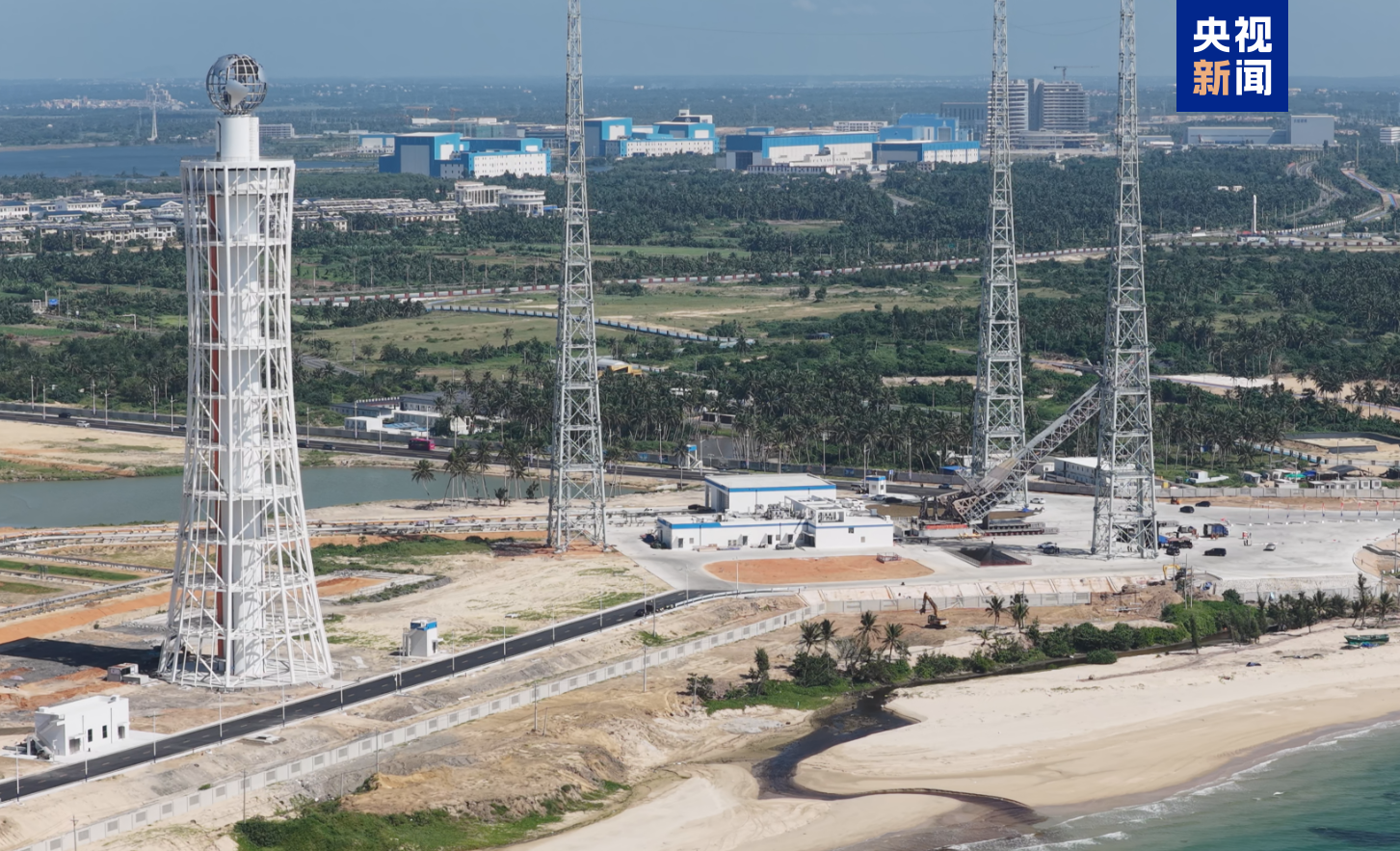 海南商业航天发射场二期项目正式启动合练