

Unvaccinated elderly in greater peril from virus
Sixteen of the current 18,170 COVID-19 patients in hospitals in Shanghai are severely ill, the Shanghai government said on Sunday.
The city, which is experiencing its worst COVID-19 outbreak in two years, has reported more than 340,000 local infections since early March, most of them being asymptomatic.
All of the severely ill patients-15 of whom are age 70 or older-are receiving personalized treatment from multidisciplinary teams at designated hospitals, said Wu Jinglei, director of the Shanghai Municipal Health Commission.
"All of them suffer from serious underlying diseases," Wu said.
Another seriously ill patient, a 33-year-old, has a severe autoimmune ailment.
All the severely ill elderly patients also suffer from other diseases such as diabetes, cardiovascular and cerebrovascular diseases, malignant tumors, pulmonary embolism, and chronic obstructive pulmonary.
"While actively dealing with the novel coronavirus pneumonia, these patients are treated with ventilator-assisted respiration, extracorporeal membrane lung (ECMO) devices, anti-virus and anti-infection therapies, and symptomatic nutritional support," Wu said.
Only one of them had been inoculated with the COVID vaccine.
The commission has reminded elderly residents without contraindications to complete the full vaccination regimen and receive booster shots, because it will help prevent them from developing severe cases or dying after contracting the virus.
"We suggest that unvaccinated elderly people who are eligible get vaccinated after the lockdown in their compounds are lifted and the vaccination sites open," Wu said.
As of Friday, nearly 3.6 million, or 62 percent of, Shanghai residents age 60 or older have completed the full vaccination regimen, and 2.18 million, or 38 percent of the elderly population, have received booster shots. The figures are still unsatisfactory, Wu said.
Shanghai registered 3,238 locally transmitted confirmed COVID-19 cases and 21,582 asymptomatic infections on Saturday. The number of daily reported infections in the city has surpassed 20,000 for nine consecutive days.
"Although the daily figure remained at a high level, it has been stable. More importantly, the percentage of infections detected among the public has been decreasing," Wu said.
He reiterated that Shanghai will stick to dynamic zero infection strategy and will carry out nucleic acid tests along with antigen tests on all the residents over the coming days.
Gao Chunfang, director of the test processing center at Shanghai Yueyang Hospital, said that highly frequent and repeated nucleic acid tests for all residents are necessary at this stage.
She said that after contracting the virus, people undergo an incubation period in the initial stage in which the viral load is too low to be detected.
"Repeated tests can increase the probability of detecting infections, especially the asymptomatic ones, in time, and to stop the spread of the epidemic with timely control measures," Gao said.




 最新热点
-
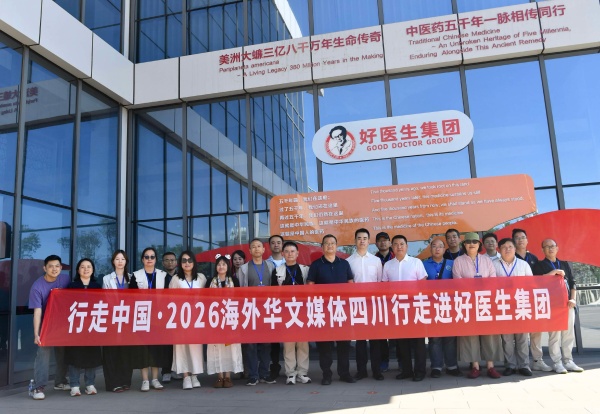
探秘特色中药产业 海外华媒走进好医生集团感受中医药创新力量
-
焦点访谈丨前三季度GDP同比增长4.6%读懂中国经济三大特点

-
李强赴杜尚别对塔吉克斯坦进行正式访问并出席上海合作组织成员国政府首脑(总理)理事会第二十五次会议
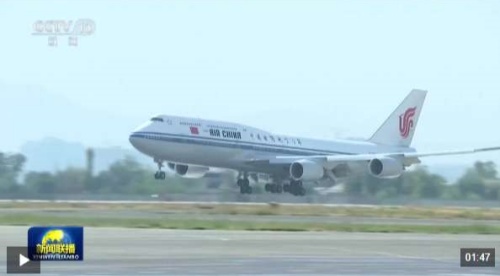
李强赴杜尚别对塔吉克斯坦进行正式访问并出席上海合作组织成员国政府首脑(总理)理事会第二十五次会议
最新热点央视新闻客户端消息(新闻联播):当地时间18日中午,国务院总理李强乘包机抵达杜尚别国际机场,应塔吉克斯坦总理拉苏尔佐达邀请,对塔吉克斯坦进行正式访问并将...
-
李强同乌兹别克斯坦总理会谈

-
海外华文媒体及网红将走进景德镇 把千年瓷都故事讲给世界听

 VIP展示


 华侨之声
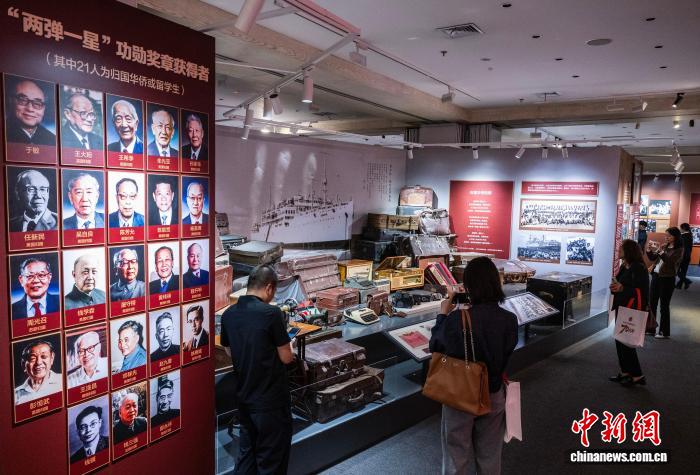 中国侨联成立70周年主题展在北京开幕
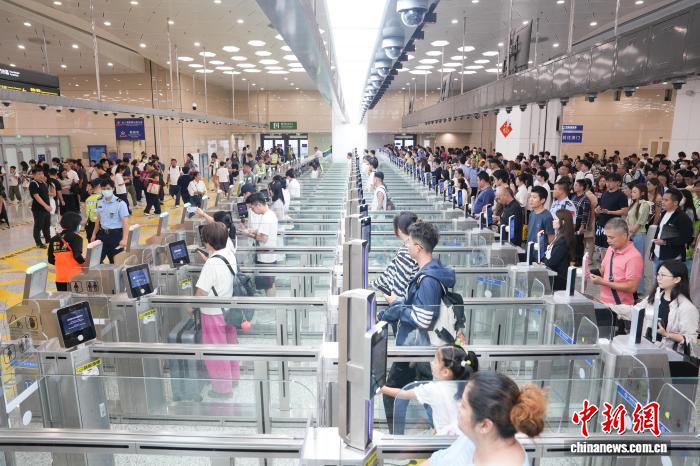 国庆假期前三天珠海多个口岸出入境客流持续高位运行
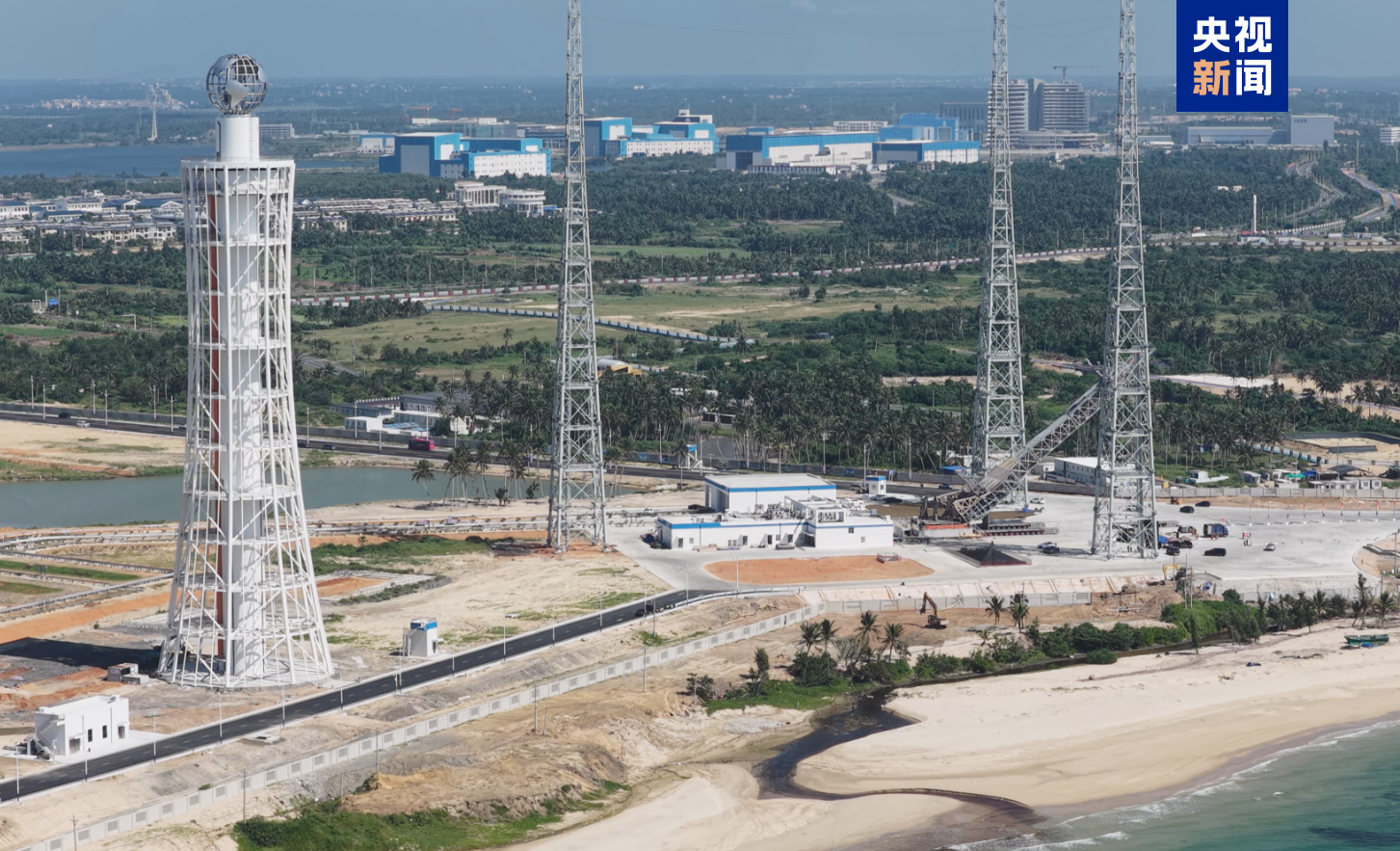 海南商业航天发射场二期项目正式启动合练